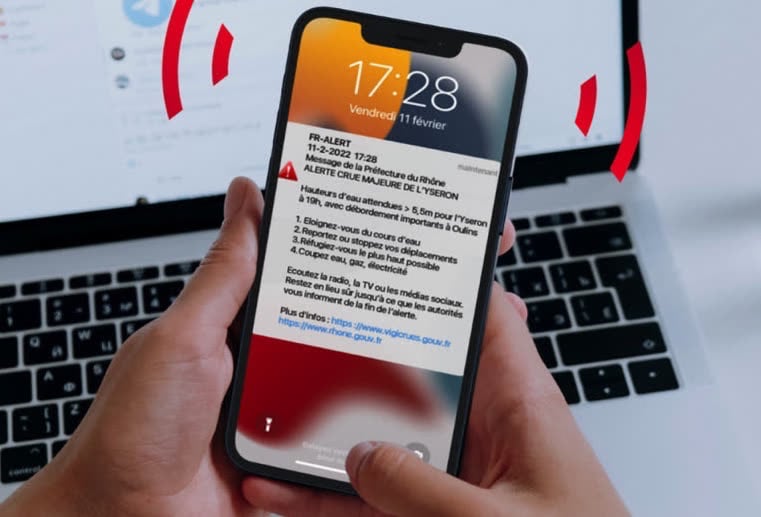
Fr alert mobile

Public Warning System

460 million people protected

When emergencies strike, every second counts. Intersec's emergency alert system enables public authorities to instantly deliver geo-targeted alerts via mobile networks - using Cell Broadcast and Location-Based SMS - with no dependency on apps or data connectivity. CAP-compliant by design, nationally reliable.

Cell broadcast service for mass alerting
→ Location-based SMS for targeted alerts
[e-Book] Public Warning System
[Infographic] Public alerting technologies
[Infographic] Which alert channels for a major crisis? 


National public warning system

A public warning system (PWS) is a public alerting solution that enables governments and public authorities to broadcast emergency notifications to entire populations - or precisely targeted geographic areas - across multiple communication channels in real time.

For public authorities

Our mass notification system uses real-time data and AI to help ministries and disaster agencies deliver rapid, geo-targeted, and accurate public alerts on a large scale, while ensuring full control, reliability, and alignment with public safety mandates.

For telecom operators

Our fully integrated, modular warning system is designed for governments and mobile carriers, offering secure cloud deployment options. It ensures regulation-compliant, low-latency public alerts with scalable reach and improved operational efficiency.

For the population

We promote a 3 layer architecture mobile-enabled warning system using Cell Broadcast and Location-Based SMS, while extending coverage beyond mobile networks through traditional media, digital platforms, and satellites, ensuring nearly 100% population coverage across all devices and conditions.

Public warning channels: Cell Broadcast, LB-SMS, Mobile app, Satellites & more

Cell Broadcast (CB)

more

Cell Broadcast is a mobile alerting technology that sends messages to all devices connected to specific cell towers.

It is an instrumental technology when dealing with Early Warning and Emergency Warning in critical or degraded situations, or when time is of the essence. A cell broadcast early warning system enables authorities to reach millions of people within seconds, without relying on phone numbers or overloading the mobile network. Cell Broadcast is especially valuable during emergencies requiring instant mass notification, such as earthquakes or cyclones.

Since alerts are geographically targeted based on cell coverage, they ensure area-specific relevance while remaining anonymous and privacy-preserving. CAP-compliant, Cell Broadcast is available on most modern phones. With near-total mobile phone penetration, it’s a fast, efficient, and highly reliable way to keep the population informed and safe.

Location-Based SMS

more

Location-Based SMS sends text alerts to people based on their real-time or last-known location within a mobile network.  This precise targeting makes LB-SMS ideal for localized threats such as flash floods, wildfires, or industrial accidents. It works across all SMS-compatible devices, without requiring prior app installation or opt-in, and is CAP-compliant for integration with national systems. LB-SMS is also multilingual and customizable.

Authorities can retarget individuals who enter or leave a danger zone, making alerts dynamic and situation-aware. As nearly everyone carries a mobile phone, LB-SMS provides a trusted and versatile way to alert both residents and visitors in a timely, personalized manner.

Digital channels & mobile apps

more

Digital channels include official websites, social media accounts, and emergency mobile apps used to share alerts and updates. They provide a rich, interactive experience, allowing the public to access detailed, real-time information during a crisis. Mobile apps can send geolocated push notifications, while social media platforms ensure rapid message virality.

These CAP-enabled channels support multimedia content and continuous updates, reinforcing trust and clarity. Digital channels are essential for reaching populations and extending coverage beyond traditional broadcasts. When paired with mobile alerting tools, they help create a resilient, multi-layered warning ecosystem.

Traditional channels

more

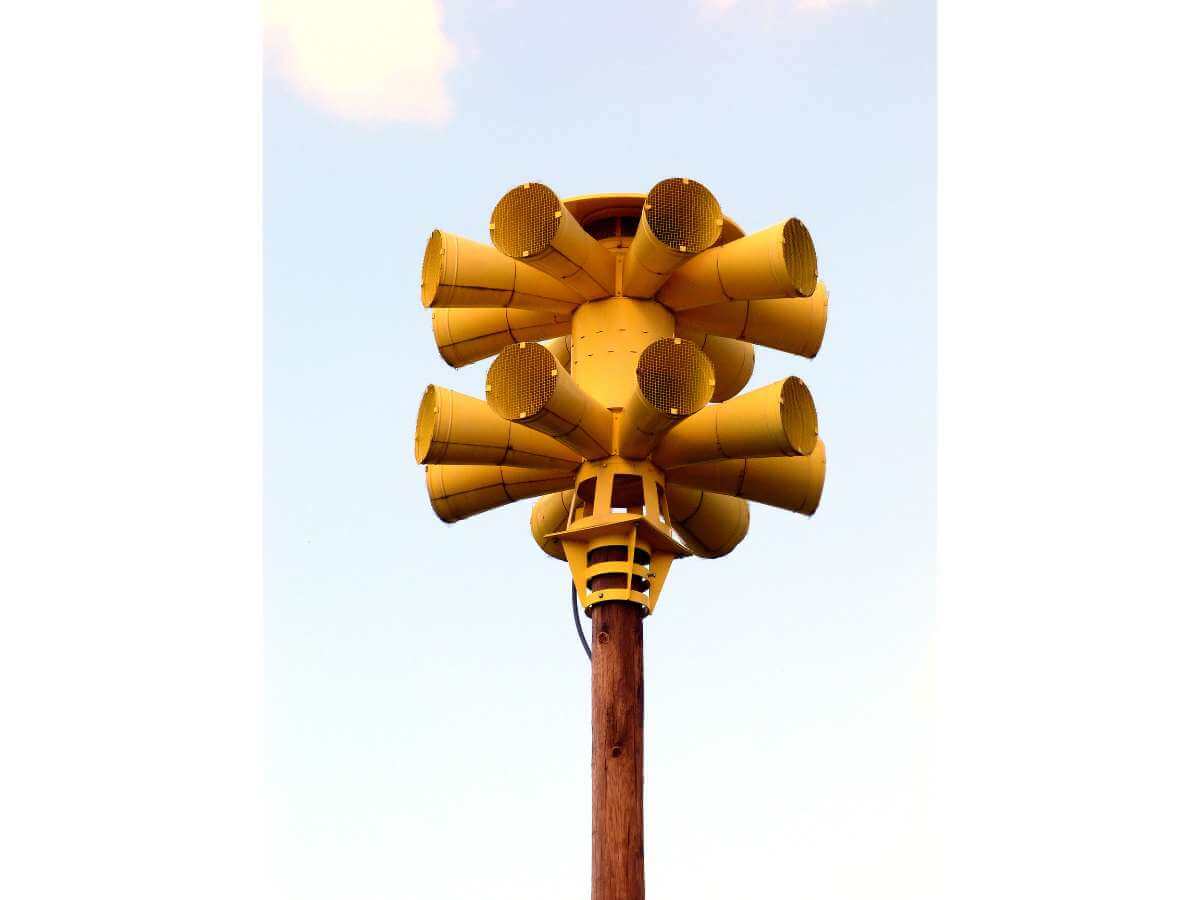
Traditional channels are established alert mechanisms like landline calls, radio and TV broadcasts, sirens, and digital signage. They remain vital for reaching people without mobile or internet access, such as the elderly, rural residents, or those in public spaces. Sirens and panels offer instant outdoor alerts, while radio and TV can deliver detailed instructions. Landlines ensure fixed-home coverage.

These systems are CAP-compatible and continue to serve as critical layers in national public warning infrastructures. Their familiarity and reliability make them excellent complements to modern mobile technologies, ensuring no segment of the population is left unprotected.

Satellites

more

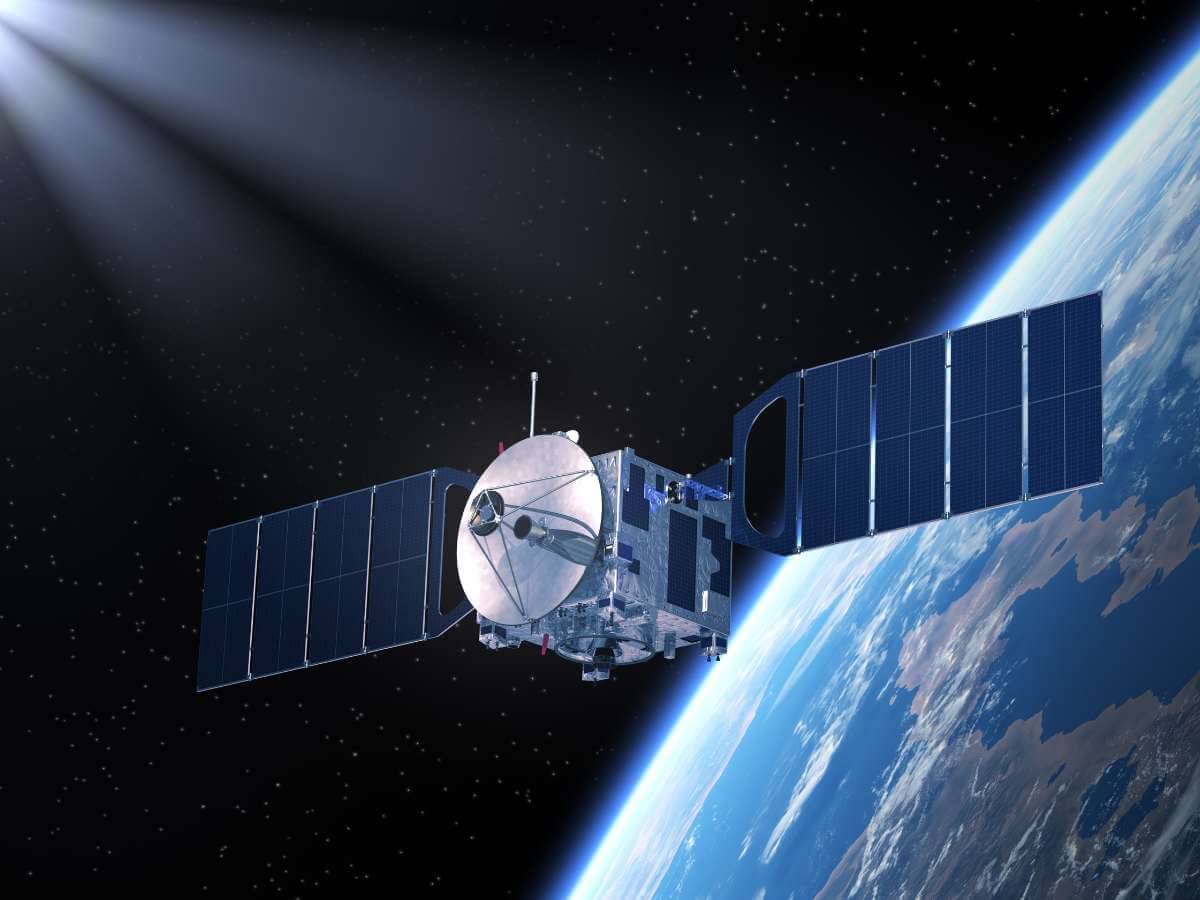
Satellite alerting, including Galileo’s Emergency Warning Service, delivers messages directly from satellites to smartphones. This capability is essential for reaching areas with little or no mobile network coverage, such as remote regions, mountains, or open seas. Satellite-ready devices can receive alerts independently of terrestrial infrastructure, making satellite warning systems extremely resilient during major disasters.

Fully CAP-compliant, satellite alerts offer a reliable last-mile safety net and an additional layer of redundancy. As more smartphones become satellite-compatible, this technology is poised to play a key role in enhancing national and cross-border public warning systems.
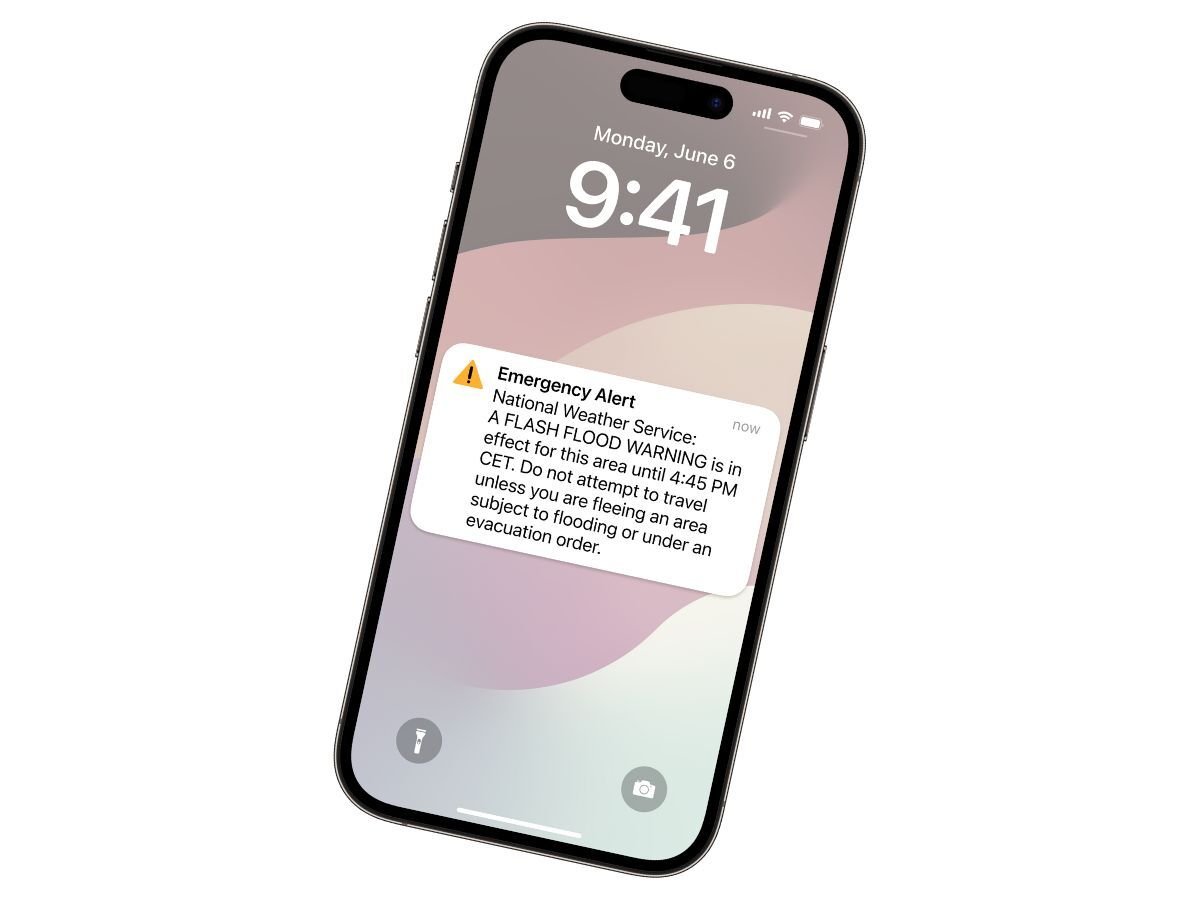

End-to-end emergency alert system
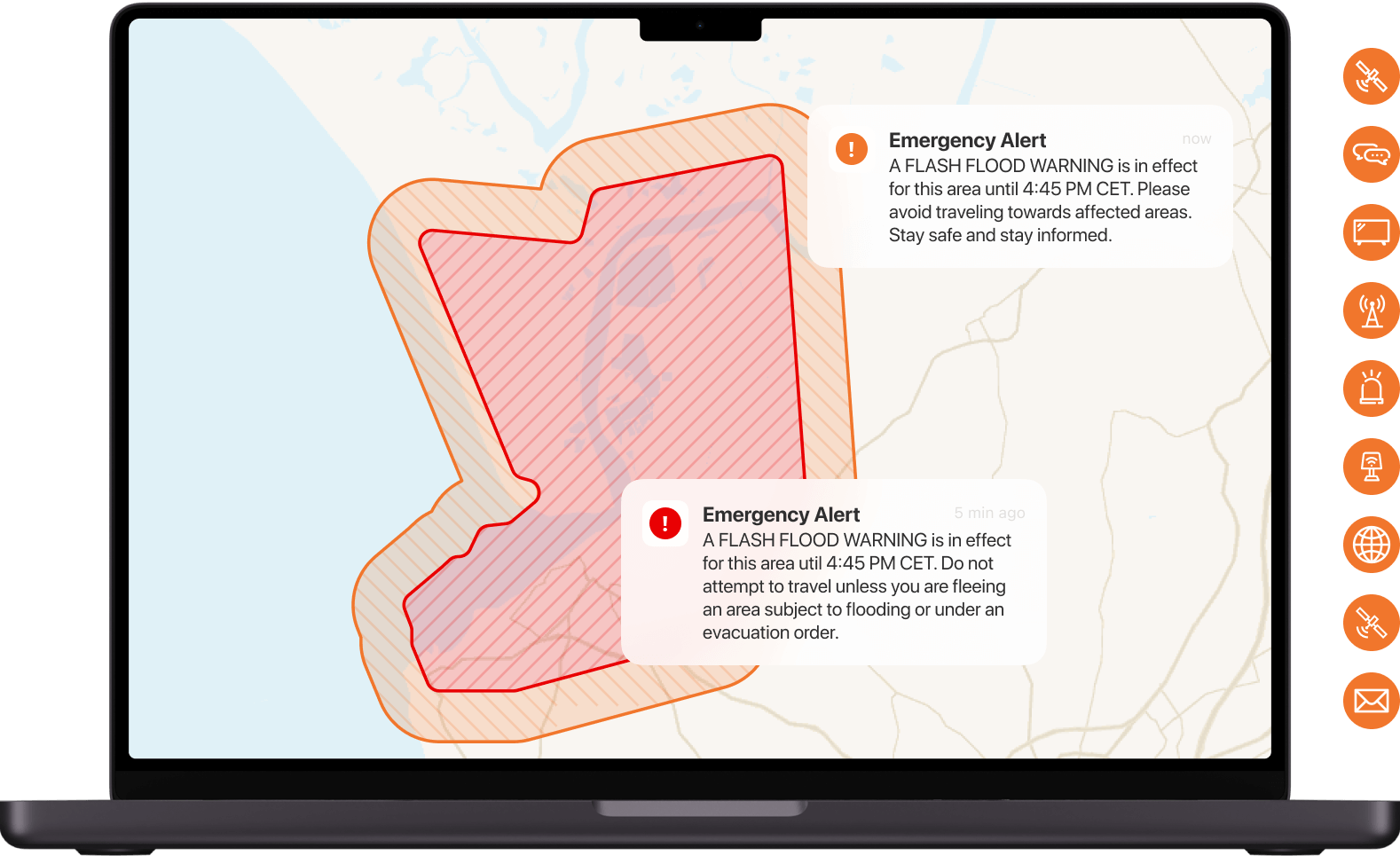
GeoSafe PWS

GeoSafe PWS

Alert communities exposed to risks

Our people-centered Public Warning Systems (PWS) help minimize the harm to people, assets, and livelihoods by triggering high-speed, highly contextualized, and geo-targeted alerts across all communication channels (cell broadcast, location-based SMS messages, mobile apps, satellites, social media, TV, radio, websites, sirens...). Our multichannel approach empowers crisis managers to adapt their messaging using live location data and advanced analytics. Our modular and scalable architecture is tailored for governments and mobile carriers.

Public warning system: key features

Cell Broadcast live in 10 days

Multichannel dissemination

Geo-targeted alert dissemination

Alert creation and translation with AI

AI-assisted channel selection

Targeting and retargeting

Common Alerting Protocol (CAP)

Compliance with EECC standards

47 emergency system deployments worldwide

Intersec powers national alert systems in France, Germany, the United Kingdom, Austria, Luxembourg, Croatia, Slovenia, Cyprus, Kuwait, and other countries currently under deployment. 

left right

Context

Since June 2022, the European Electronic Communications Code (EECC) Article 110 requires all EU countries to operate a public warning system that can send geo-targeted emergency alerts to all mobile users located in the affected area in case of an emergency. 

Progressing on technology transformation, the French Ministry of the Interior, alongside the three major national mobile operators – Orange, Bouygues Telecom, and SFR – selected the Intersec public warning solution to implement a fully integrated alerting architecture for the years to come.

Solution

  • 100% coverage of cell phones in use in metropolitan France and French overseas territories (more than 80 million units) 

  • Multi-channel portal combining all alerting media:  Cell Broadcast, Location-Based SMS, sirens, social media, websites… and ready to integrate with Galileo

  • Tactical management of a crisis with real-time population heatmaps, retargeting capabilities, and highly contextualized communications

Learn more

The Intersec team is highly professional, skilled, and experienced and has demonstrated great flexibility in adapting to our specific requests.

Romain Moutard

Director of the FR-Alert program

Context

Article 110 of the European Electronic Communications Code (EECC) mandated all EU countries to operate a public warning system that can send geo-targeted emergency alerts to all mobile users located in the affected area in case of an emergency. 

Telefonica O₂ Germany was looking for a partner able to deploy Cell Broadcast technology in a collaborative manner, in full compliance with data privacy regulations, and in alignment with the EECC requirements.

Solution

  • As the European Union's leading public warning system provider and with 20 years of experience in the telco industry, Intersec had demonstrated its ability to deploy nationwide public warning systems at Tier-1 operators

  • Intersec partnered with Telefónica Ingeniería de Seguridad (TIS) to ensure seamless and smooth integration in record time

  • On 2022 Nationwide Alert Day – Warntag – Telefonica successfully broadcasted two alert messages - in German and in English – from the Federal Office for Civil Protection and Disaster Relief in just a matter of seconds, confirming the high-end performance of the solution

Learn more

The high level of expertise and experience of the Intersec professional services team enabled a smooth integration in record time. This success is a testament to the relevance of this partnership, where Intersec's expertise and ours work together in the best possible way.

Victor Fortes

IT Project Manager, Telefonica

Context

Croatia, with a population of 4 million and a significant annual tourist influx, recognized the need for an advanced national PWS to respond to the European mandate for modern digital public warning systems. The Ministry of the Interior and Civil Protection Directorate aimed to enhance crisis communication, specifically targeting segments of the population in real-time during emergencies.

Key requirements included improved processes, new communication channels, and the ability to adapt mobile messaging based on individuals' changing positions relative to the crisis.

Solution

  • Using cell broadcast and location-based SMS, Intersec provides the technology that will enable the MoI/CPD to provide early warning and subsequent crisis communications in case of national emergencies such as floods, fires, epidemics,or terrorist incidents
  • The solution facilitates real-time crisis communication in foreign languages without violating personal data protection regulations.
  • All three national telecommunications operators in Croatia confirmed participation, ensuring nationwide coverage and reaching up to 100% of mobile device users.
The Croatian government wanted the best technology possible in order to serve its population in a crisis. As part of an end-to-end solution that enables government and network operators to work seamlessly together from the outset, Intersec will deliver a public warning system for Croatia that will keep citizens informed and protected for many years to come.

Ingolf Ruh

Chief Revenue Officer, Intersec

This innovative solution will significantly enhance our ability to alert and protect the public during emergencies. We can now ensure that vital information reaches citizens efficiently, enabling them to respond appropriately.

Mr. Davor Božinović

Minister of the Interior, Croatia

The high level of expertise and experience of the Intersec professional services team enabled a smooth integration in record time. This success is a testament to the relevance of this partnership, where Intersec's expertise and ours work together in the best possible way.

Victor Fortes

IT Project Manager, O₂ Germany

We were attracted by the completeness of the Intersec solution, by its experience in delivering messages on a very large scale depending on the real-time location of recipients, and by the willingness of its teams to keep this solution at the cutting edge of technology over the years to come.

Romain Moutard

Director of the FR-Alert program

A global public warning system reference

GSMA report: FR-Alert as a global benchmark

Published in 2026, the report on France's national public warning system highlights Intersec as the technology provider behind a model now cited as a global reference for mobile-based alerting. 

Frost & Sullivan Market Award

In 2025, Intersec received recognition for enabling technology leadership and excellence in best practices in the European mission-critical communications industry, showcasing cutting-edge innovation.

Critical Communication Awards

In 2025, Intersec has been shortlisted for the Best Use of Critical Communications in Public Safety award at the ICCA for its role in modernizing England’s Flood Warning System.

TM Forum Beyond Telco Award

Intersec's Virtual Command Center as a Service (VCCaaS) joint initiative has won the prestigious Beyond Telco award at the 2024 TM Forum's DTW Ignite conference. The project was also shortlisted as a finalist in the Tech for Good category.

Frequently asked questions

What is a Public Warning System (PWS)?

more

A public warning system is an emergency alert infrastructure designed to deliver geo-targeted warnings to people in affected areas. These systems can send messages through various channels: cell broadcast, location-based SMS, mobile apps, sirens, social media, TV, radio, websites, and other channels. They enable real-time monitoring, automatic message translation, and integration with national and regional emergency protocols.

How can governments comply with EU public warning regulations?

more

Under the European Electronic Communications Code (EECC) Article 110, EU member states must deploy public warning systems capable of sending geo-targeted alerts to mobile phone users in a defined area. Compliance requires using channels like cell broadcast or location-based SMS, with the ability to reach users regardless of mobile network or handset type.

What are the advantages of a multichannel public alerting approach?

more

A multichannel strategy ensures maximum reach and reliability, even when some networks or devices are unavailable. Delivering alerts through cell broadcast, SMS, apps, satellite, sirens, and broadcast media reduces the risk of single-point failures. Modern systems also offer AI-driven channel selection, real-time population analytics, and message personalization for more effective communication.

Why are public warning systems critical for disaster resilience?

more

They enable authorities to quickly inform people about natural disasters, industrial hazards, health emergencies, and security threats. A robust system can trigger localized, reliable alerts that help save lives by prompting immediate protective actions.

Can a public warning system integrate with existing infrastructure?

more

Yes. Modern platforms are designed to integrate with national emergency management centers, telecom operator systems, broadcast media, and satellite services. This allows for coordinated communication without replacing existing tools.

How long does it take to deploy a public warning system?

more

Intersec deploys production-grade Cell Broadcast public warning systems in under 10 days, from contract to first live alert. Using a cloud-first approach, the system is immediately operational while long-term infrastructure is set up in parallel. Kuwait holds the record at 6 days, deployed during an active regional conflict. For more information, visit this page.

Why choose Intersec?

more

Intersec combines what no other vendor can match: cloud-first infrastructure that enables live deployment in under 10 days, a genuine commitment to treating each client as a priority, and on-the-ground local partners who know the regulatory and operator landscape. AI has become a core operational requirement in public warning — from threat detection to alert delivery, it ensures procedures are followed with full traceability, minimises response times, and maintains accountability at every step. Intersec's GeoSafe PWS is built on proprietary AI developed entirely on European soil, matching - and in several respects surpassing — its foreign counterparts. Add to this 47 global references across four continents, a proven track record with Tier-1 mobile operators, and an educational approach that helps authorities make the right decisions at every step, from procurement to post-deployment.